Broken springs can be alarming for Tulsa homeowners because they can prevent a garage door from opening and potentially create serious safety risks. You may notice the door struggling to open or hear a loud pop from your garage before it stops working.
Garage door springs help lift and balance the weight of a garage door, minimizing strain on the garage door opener motor, cables, and other moving components. If you think the springs may have started to fail or have broken, stop using the opener right away and have a professional technician inspect the system for damage and determine whether you need garage door spring repair or replacement.
This guide explains what garage door springs do, signs that they are failing or broken, and why a professional inspection is usually the best option.
What Garage Door Springs Do
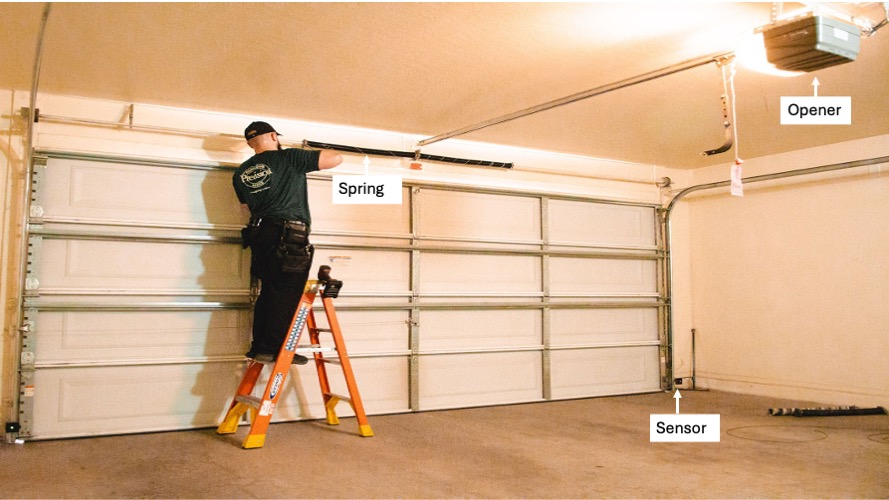
Garage door springs help support the weight of the door so that it can open and close with less effort. By counterbalancing hundreds of pounds, the springs help reduce the force required from the opener, allowing the door to move up and down the tracks smoothly.
Most residential garage doors use torsion or extension springs. They work differently but perform the same general function:
- Garage door torsion springs are mounted on a metal shaft just above the door, rotating as it opens and closes to help lift and lower it.
- Garage door extension springs are installed above or alongside the garage door’s horizontal tracks, stretching as the door closes and contracting as it opens.
Both types of springs keep garage door openers from bearing the full weight of the door on their own. If a spring breaks, the opener motor can wear out quickly because it’s forced to handle more weight than it should.
Signs of a Broken or Failing Garage Door Spring
A garage door spring sometimes breaks unexpectedly, but homeowners may notice warning signs before it wears out or snaps.
You could have a broken garage door spring if you notice:
- A loud snap or bang
- A visible gap in the spring
- Loose or dangling cables
- Uneven movement
- Difficulty opening the door, with it leaning to one side or only opening part of the way
But garage door springs aren’t the only reason you may experience some of these warning signs. They can also happen if the tracks, cables, rollers, or other parts are damaged or not properly aligned. If you notice any of these signs, you should contact a professional to identify the source of the problem. These signs can be more commonly observed after a strong Tulsa storm.
Why Garage Door Springs Break
Garage door springs handle significant weight daily and repeatedly go through cycles of storing and releasing energy as the garage door opens and closes. Over time, the springs can wear out from natural and mechanical strain, eventually breaking.
Spring Cycles, Usage, and Normal Wear
When the door opens and closes repeatedly over the years, it slowly wears down the steel. Most garage door springs are rated for approximately 10,000 cycles, with a complete cycle consisting of opening and closing the garage door.
For many homeowners, reaching this amount may take five to seven years, although the actual lifespan depends on how often you use the garage door. This is especially relevant for Tulsa households that regularly enter and leave through an attached garage instead of the front door.
Weather, Moisture, and Rust
Weather can also play a role in how long garage door springs last. In Tulsa, extreme heat can cause the metal to expand, while cold nights can make the springs contract. These changes can add stress to springs that are aging or frequently used.
Humidity and moisture can cause corrosion and rust, which may weaken the steel and create additional friction between the coils. Tulsa’s humidity, rain, and seasonal temperature swings may contribute to corrosion and additional wear.
Additionally, Tulsa homeowners should look and listen for changes in how the garage door moves and sounds after severe wind, hail, and thunderstorms.
Incorrect Tension or an Unbalanced Door
Mechanical issues can also lead to problems requiring garage door spring repair.
These include:
- Stretched or worn springs
- Uneven tension
- Incorrect spring sizing
- Misaligned tracks
- Damaged cables, tracks, or rollers
When springs or other garage door opener components are damaged, the door may become unbalanced, forcing other parts of the system to work harder and causing the springs to wear out faster.
You can help prevent springs from wearing out prematurely with proper maintenance and professional inspections.
What to Do When a Garage Door Spring Breaks
If your garage door won’t open and you think a spring may be broken, it’s important to take it seriously and avoid opening or closing the door.
You should also:
- Keep people and pets away from the garage door
- Avoid manually lifting the door or forcing it to close
- Leave loose cables and damaged springs alone
- Contact a garage door professional as soon as possible
Taking these basic precautions are the best ways to avoid injury and prevent unnecessary strain on the garage door opener and other components.
Garage Door Spring Repair and Replacement
A broken spring doesn’t usually mean you need a new garage door.
In many cases, garage door spring replacement can extend the life of your existing door, so you don’t need a new garage door installation. Still, a technician should inspect the opener and other parts of the system for damage or wear, especially if you operated the garage door after a spring broke.
Why Garage Door Spring Repair Requires a Professional
Garage door springs support most of the weight of a door and require professional attention when they become damaged or broken. You should schedule an appointment with a technician because:
- Tightly wound springs can suddenly snap or unwind, causing the coil to whip or come loose, launching tools or hardware at dangerously high speeds or allowing a garage door weighing hundreds of pounds to slam down
- Replacement requires professional training and specialized tools
- Careful measurements are needed to choose the right replacement spring
- Springs need to be matched to the size and weight of the door
Scheduling professional repair for your broken garage door springs is the safest way to avoid injuries and prevent further damage to your garage door system.
What Affects Spring Replacement Cost?
Broken garage door spring repair costs can vary, depending on several factors.
These include:
- The type and size of the spring
- The door size and weight
- How many springs are needed
- Labor and service requirements
- The extent of the damage
- Whether both springs need to be replaced as a pair
If other parts of the garage door system were damaged, such as the cables, tracks, or opener parts, the repairs may also increase the total cost.
Should Both Garage Door Springs Be Replaced?
Garage door springs can break in isolation, but the other spring may still have similar wear if you’ve used your garage door for several years or longer.
If you schedule a garage door spring replacement, your technician should check:
- The age of the broken and functioning springs
- Any visible signs of wear
- Their approximate cycle history
- Whether both springs were installed at the same time
- If replacing one could affect the door’s balance.
Depending on how much life is left in the other spring, replacing both at the same time might be the best long-term option. If you save the repair for a later date, it may cost more for a second visit and leave the door unevenly balanced.
How to Help Garage Door Springs Last Longer
Most garage door springs wear out after about seven years if you open and close your door an average of four times per day. However, basic maintenance can help your garage door springs and other components last longer.
To prevent premature spring failure, you should:
- Check for rust or corrosion
- Watch for uneven movement
- Use a lubricant designed for garage door springs
- Limit moisture exposure
- Have any issues with balance or tension inspected
A broken garage door spring can make it more difficult to open or close the door, put strain on the opener, and create serious safety risks. If you hear a loud pop, notice loose or dangling cables, or find that the door isn’t opening the way it should, stop using it and keep the area clear.
While homeowners can look for visible changes or wear and tear, spring tension should always be checked or adjusted by a trained technician. A quick check can be particularly helpful after Tulsa’s spring thunderstorms.
If you think your garage door springs might need professional attention, contact Precision Garage Door Service of Tulsa for a professional spring inspection, repair, or replacement in the Tulsa metro area or nearby communities.
Frequently Asked Questions About Broken Garage Door Springs
What should I do if my garage door spring breaks?
If a garage door spring breaks, you should contact a professional technician as soon as possible. Avoid using the garage door opener or manually opening or closing the door. Keep a safe distance from the door until it’s fixed.
Is it safe to operate a garage door with a broken spring?
No. Operating a garage door with a broken spring can damage other components and potentially put you and others at risk of serious injury.
Can I manually lift my garage door with a broken spring?
While some people can manually lift a garage door with a broken spring, you shouldn’t try to do it. Garage doors usually weigh hundreds of pounds, and the springs counterbalance a large amount of that weight. Without them, the door could fall or become unstable.
How much does it usually cost to replace a garage door spring?
Garage door springs vary, depending on the spring type, how many are needed, and the labor required for repair or replacement. Request a quote for a garage door spring repair in the Tulsa area if yours recently broke.
Do I need to replace both springs if only one is broken?
No, but replacing both is often the smartest option. Getting both springs replaced at the same time can be more cost-effective than scheduling another appointment later, and they tend to wear out around the same time if they were installed as a pair.
Can I fix a broken garage door spring myself?
Most homeowners can’t fix broken garage door springs by themselves. You need specialized tools and professional knowledge to safely remove the old springs, install the right replacements, and restore tension and balance to the correct levels.
If you notice any of these signs,
- Sparks
- Burning smells or scorch marks
- Buzzing or popping noises
you should avoid using or handling the unit. These problems can indicate a legitimate safety risk or cause more damage to the garage door opener system.
Following our general garage door safety tips for homeowners can help you recognize when to schedule a visit from a professional technician.